Seedlessness breeding
Stenospermocarpic and parthenocarpic seedlessness are central targets for table grape breeding. The trait is quantitative and strongly influenced by both genetic background and growth regulators.
Three research pillars that shape modern grapevine cultivar development. Each topic links into ZhiPu for a deeper, literature-grounded discussion once the AI service is connected.
Compare berry mass, soluble solids and aroma class
Compare wine alcohol, residual sugar and acidity by cultivar
Explore published wine colour and sensory measurements
Find breeding parents, rootstocks and source records
Explore drought, heat, ripening and rootstock research
Review candidate genes, validation and related studies

Stenospermocarpic and parthenocarpic seedlessness are central targets for table grape breeding. The trait is quantitative and strongly influenced by both genetic background and growth regulators.

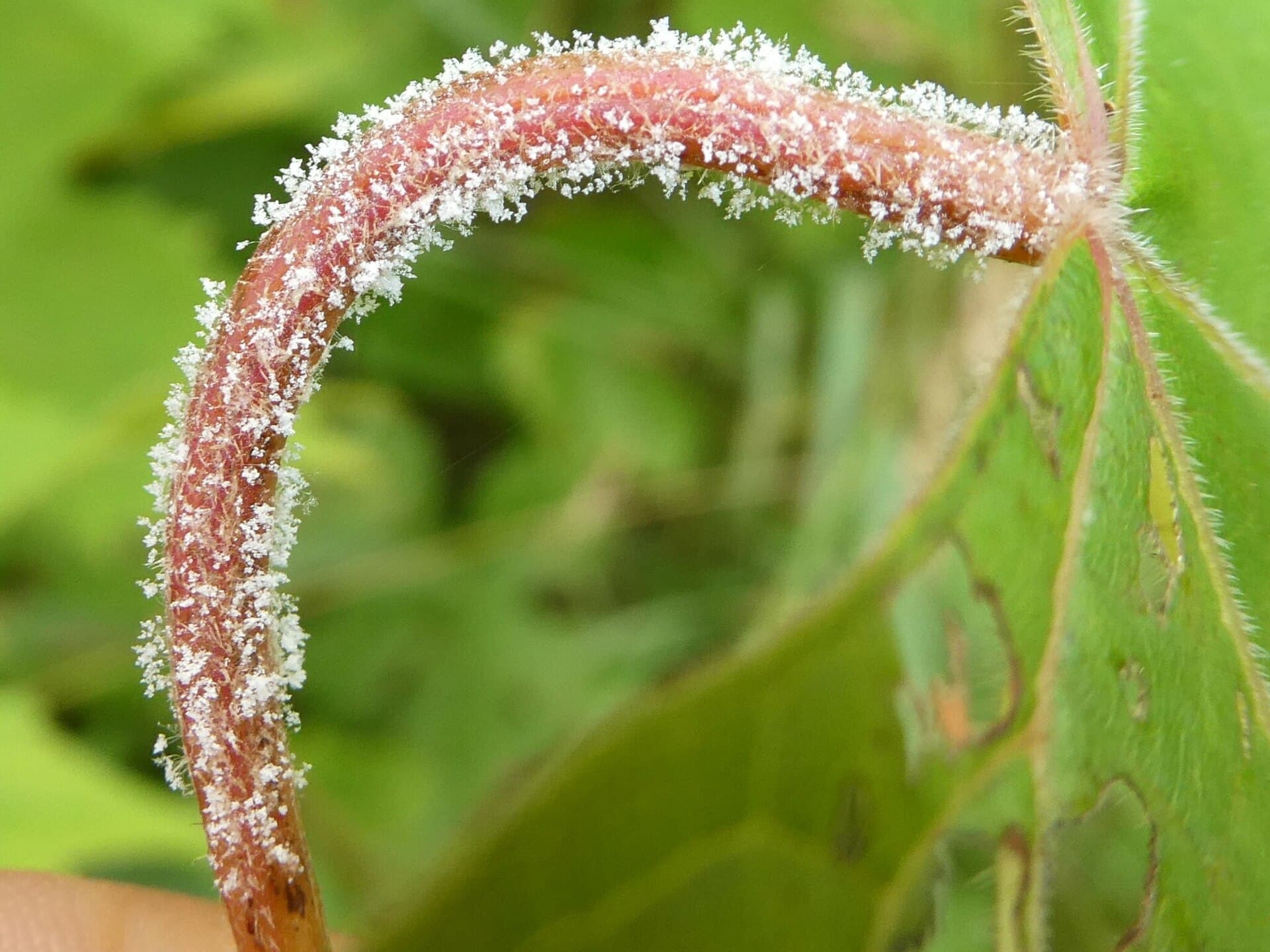
Downy mildew, powdery mildew and grey mould are the dominant biotic constraints in viticulture. Resistance breeding relies on introgressing NLR and RLK loci from wild Vitis relatives.

Berry colour, sugar-acid balance, aroma compounds and texture determine cultivar value. Quality breeding integrates metabolic, transcriptomic and sensory evidence.
Compare yield, fruit quality and scion–rootstock performance under deficit irrigation.
Adapting Grapevine Productivity and Fitness to Water Deficit by Means of Naturalized Rootstocks · DOI 10.3389/fpls.2022.870438 ↗Track maturity and berry composition alongside vineyard responses to heat and water availability.
Impact of climate change on grape berry ripening: An assessment of adaptation strategies for the Australian vineyard · DOI 10.3389/fpls.2022.1094633 ↗